
Entdecken Sie die Welt von Verde Casino: Login und Bonusmöglichkeiten
November 26, 2017Découvrez les Secrets du Gametwist Casino et les Bonus Gametwist Exclusifs
December 5, 2017Tiki Taka, Tiki Taka Casino: Coaching Practical Possession Drills for Amateur Teams
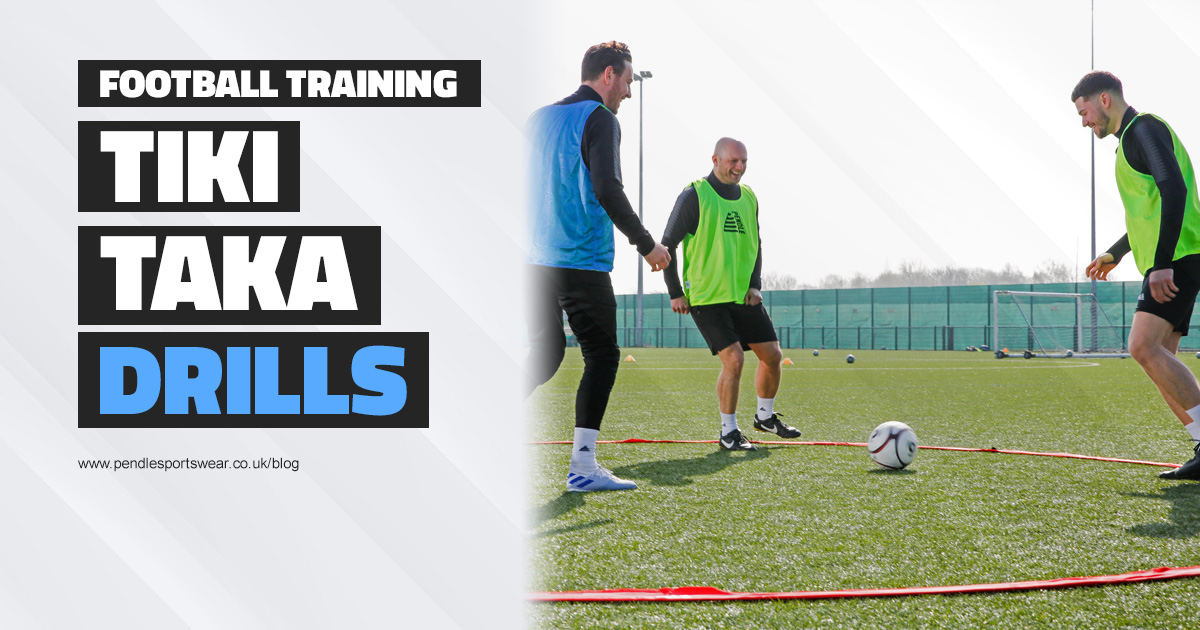
If you coach at the grassroots level and want to teach a possession-first, short-passing approach without overcomplicating sessions, this article gives a tight, practical plan you can run in a single practice. The goal: improve decision-making under pressure and encourage players to move the ball quickly and intelligently. Read to the end for a simple three-week progression and concrete coaching cues you can use immediately.
Why focus on small-sided possession drills?
Large-group technical drills often miss the spatial and cognitive demands of real games. Small-sided possession drills compress space and force choices: when to pass, when to carry, when to reshape. That accelerates learning far more than repetitive, isolated touches.
Three drills, one clear progression
- 3v1 Rondo (Warm-up, 10–12 minutes)
Purpose: quick passing, body orientation and first touch under light pressure. Set up a 6×6 yard grid. Three attackers inside maintain possession vs one defender. Rotate the defender every 30 seconds. Coaching cues: narrow your passing window, use one-touch where possible, angle your body to receive and scan.
- 4v2 Transition Box (Core, 20 minutes)
Purpose: introduce quicker decision-making and transitions. Use a 12×12 yard box with two neutral players outside acting as outlets. Four attackers keep the ball while two defenders try to win it. If defenders win possession, they try to play to a neutral outside player to score a point. Coaching cues: move the ball within three touches, create triangles, check shoulders before receiving.
- 6v6 Possession with Target Players (Game-like, 20 minutes)
Purpose: apply the previous patterns in a more dynamic context. Field split into two halves; each team defends one half and attempts to keep possession to earn points for successful sequences of 8–10 passes or by playing to target players placed behind the defensive line. Coaching cues: keep team compact, use supporting runs, encourage switch-of-play passes.
Coaching cues that change behavior
- Scan, then receive — demand a head-check before every touch.
- Pass on the move — encourage body leads to create passing lanes.
- Support depth before width — depth stabilizes possession; width stretches opponents.
- One-touch to break pressure, two touches to control — set acceptable touch limits per drill.
Session structure and weekly plan
Week 1: Base the session on technical execution (3v1 heavy), focus on first touch and scanning. Week 2: Increase pressure and reduce time on the ball (4v2 emphasis). Week 3: Move to game-like constraints (6v6) and add fitness elements like conditioned transitions. Each session should warm up for 10 minutes, core work for 30–35 minutes, and close with a 10-minute conditioned game.
How to measure progress
Track simple metrics that matter: successful passes per possession, turnovers per minute, and successful passes into target players. Keep a short notebook of trends after each session; improvement in these numbers correlates with better composure and decision-making in matches.
For coaches looking for inspiration beyond practice drills, explore this resource: Tiki Taka. Use the three drills above as a routine you can recycle and adapt; the concrete takeaway is to prioritize small-sided repetition, progressive pressure, and two or three short, memorable coaching cues. Execute that consistently for three weeks and you’ll see clearer decision-making and crisper team possession.
